
UK Ascot Races Betting Guide 2026
 Available in US
Data-driven strategies and expert insights for Royal Ascot and year-round betting at Britain's premier flat racing venue.
UK Ascot Races Betting Guide 2026: Strategies and Expert Tips
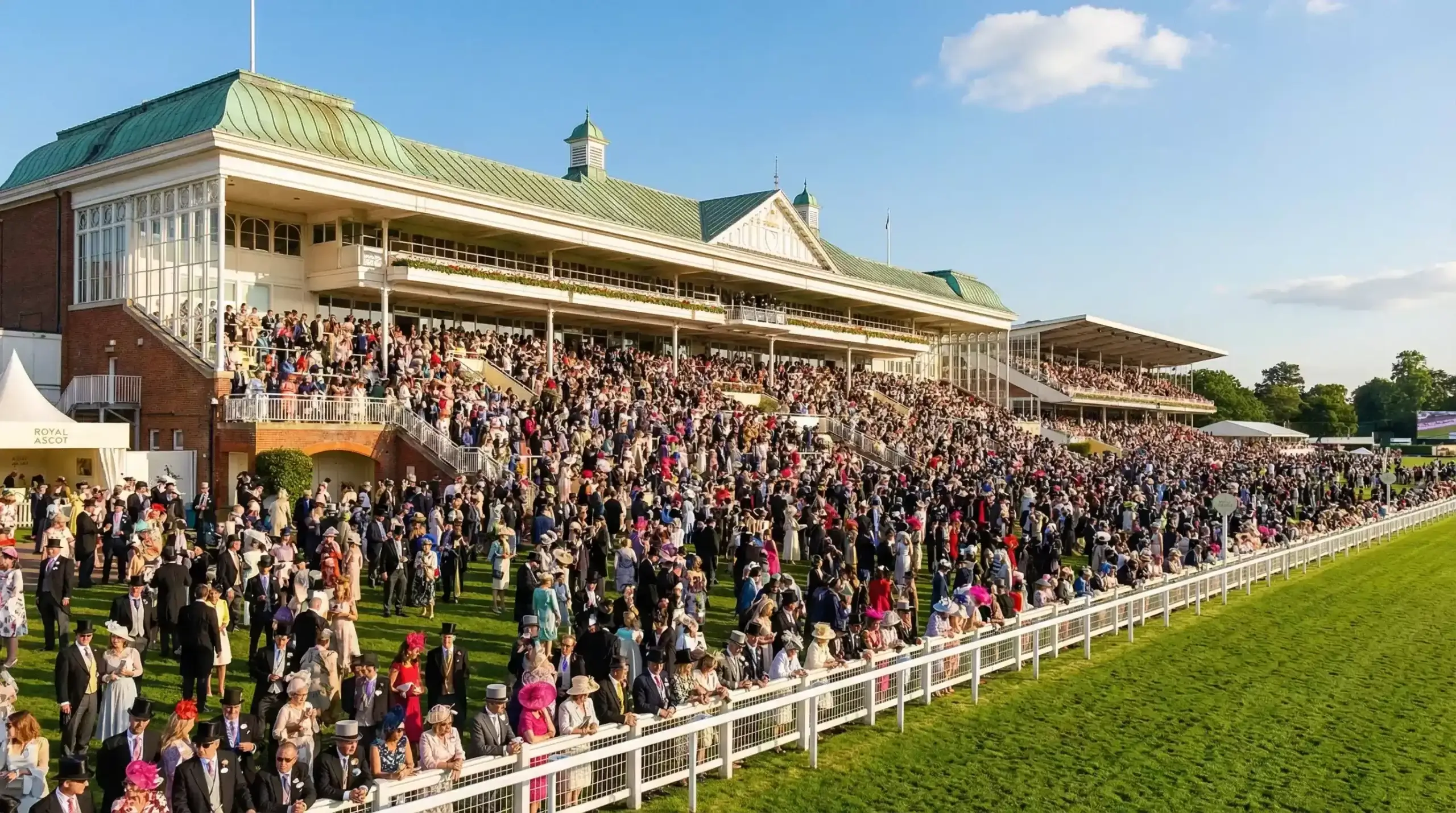
Ascot Racecourse sits at the apex of British flat racing. The Berkshire track attracts nearly 600,000 visitors annually, roughly ten per cent of all UK racegoers, but its influence on UK Ascot races betting extends far beyond attendance figures. When Royal Ascot unfolds each June, the five-day meeting commands global attention and betting turnover that dwarfs most other sporting events on the calendar.
The 2025 Royal Ascot meeting drew 286,541 spectators, a 4.8 per cent increase year on year. "We welcomed more than 285,000 people across the site, nearly a 5% increase on last year," said Felicity Barnard, Chief Executive Officer of Ascot Racecourse. "I think we've worked really hard to understand what people want when they come to a world-class event like this." That attendance growth translated directly into betting activity. World Pool turnover across the five days reached approximately £150 million, up ten per cent from the previous year's figures, while Simon Clare, PR Director at Ladbrokes/Coral, described the week as stellar on nearly every metric.
Interactive Tool
World Pool Previous Year, and Ryan Moore's Total Rides
Back-calculate last year's World Pool turnover from the stated growth rate, and work out how many rides Ryan Moore's strike rate is actually built on.
Previous Year's Turnover
-
-
Current Year
-
Growth Rate
-
Absolute Increase
-
What this guide gives as a growth rate without the base year: "World Pool turnover across the five days reached approximately £150 million, up ten per cent from the previous year's figures." The previous year's figure is never calculated — it's roughly £136.36 million, an increase of £13.64 million.
Total Rides
-
-
Wins
-
Strike Rate
-
Non-Winning Rides
-
What this guide gives as a win count and a rate without the base: "Ryan Moore dominates Royal Ascot with fifty-six victories between 2016 and 2025, an 18 per cent strike rate." The total number of rides behind that rate is never calculated — it's roughly 311 rides, meaning around 255 did not win.
For bettors, Ascot presents both opportunity and challenge. The track's unique configuration, its mix of Group races and ultra-competitive handicaps, and the international quality of its fields demand a structured analytical approach. Horse racing generates £766.7 million in gross gambling yield from remote betting alone in the UK, according to the Gambling Commission's industry statistics. A significant portion of that sum flows through Ascot's marquee fixtures.
This guide deconstructs the essential elements of betting at Ascot. Whether you approach the meeting as an occasional punter or a systematic bettor tracking level-stakes profit across trainers and jockeys, the framework here builds from track fundamentals through to advanced strategies. The data draws from five-year statistical patterns, official regulator publications, and insights from industry professionals who shape the event's commercial success.
Ascot Racecourse posted turnover of £113.1 million in 2024, with pre-tax profits climbing to £8.4 million from £5.9 million the previous year. These figures underscore the course's premium positioning in British racing. The 2026 meeting carries a planned prize fund of £10.65 million, with the King George VI and Queen Elizabeth Stakes scheduled to become Britain's first ever two-million-pound race. Understanding how to navigate this environment requires more than enthusiasm; it requires data, discipline, and clear-eyed assessment of where value actually lies.
What Data-Driven Bettors Need to Know About Ascot
- Royal Ascot 2026 offers 35 races across five days with a record £10.65 million prize fund and eight Group 1 contests.
- Draw bias determines outcomes in big-field sprints: eleven of the last twelve Queen Mary winners have come from stalls 10 or higher.
- Backing favourites in three-year-old only races produces a level-stakes profit of +£17.98 over five years, while handicap favourites deliver +£4.08 LSP.
- Trainer K R Burke leads all handlers in profit with LSP +20.75, whereas volume leader Aidan O'Brien remains unprofitable at level stakes.
- World Pool dividends exceeded starting price in 57 per cent of 2025 races, offering consistent value for win, exacta, and trifecta wagers.
Understanding Ascot Racecourse: Track, Distances, Rail Movements
Ascot's track configuration shapes betting outcomes more decisively than at almost any other British venue. The course operates two distinct racing circuits: the straight course for sprints up to one mile, and the round course for middle-distance and staying races. Each circuit creates different tactical scenarios and draw dynamics that bettors must account for.
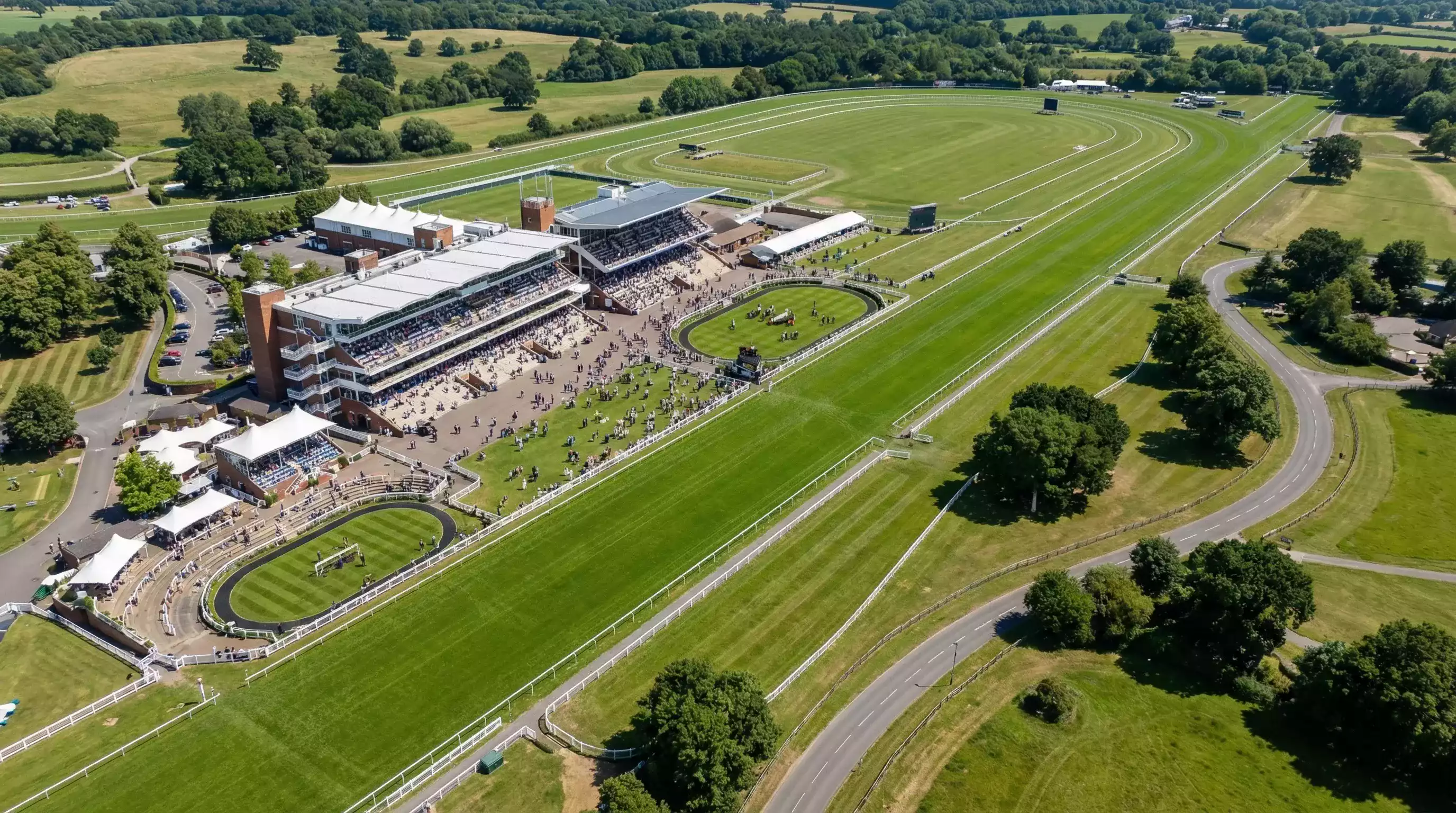
The straight course runs slightly uphill over its entirety, ascending roughly 70 feet from start to finish. This gradient punishes front-runners who set blistering early fractions and rewards horses with tactical speed who can pick up their rivals late. Races on the straight course include the King's Stand Stakes, the Queen Anne Stakes, and the majority of Royal Ascot's prestige sprints. Fields can exceed thirty runners in handicap sprints, making stall position a critical variable.
The round course begins in the Swinley Bottom, invisible from the grandstands at longer race starts. Horses run approximately half a mile uphill before turning into the home straight, where the gradient continues to rise before levelling in the final furlong. The camber through the turn creates rail bias in soft conditions. The Gold Cup, Prince of Wales's Stakes, and King George VI Stakes all utilise this configuration.
Rail movements further complicate analysis. Ascot's groundstaff regularly adjust the rail position to protect ground, and the fresh strip of turf exposed can shift advantage from low to high stalls. Checking the official going report on the morning of racing provides essential context for understanding where the race will likely be won.
Race Types at Ascot: Flat, Group, and Handicap Explained
Flat racing dominates Ascot's calendar, with the track hosting no jump racing whatsoever. Within the flat programme, races divide into Pattern races (Group 1, Group 2, Group 3, and Listed) and handicaps, where horses carry weights calculated by the official handicapper to equalise chances. Each category demands a different betting approach.
Group races represent the sport's elite tier. Royal Ascot features eight Group 1 races, from the Queen Anne Stakes on Tuesday to the Platinum Jubilee Stakes on Saturday. In these contests, form holds more reliably than in handicaps. Forty of the last forty-eight Group 1 winners at Royal Ascot started at odds of 6/1 or shorter. Class typically asserts itself.
Handicaps present an entirely different puzzle. The handicapper assigns each horse a weight based on its official rating, aiming to give every runner an equal chance. Larger fields, often exceeding twenty runners in events like the Royal Hunt Cup, create competitive racing where draw, pace, and luck in running all factor heavily. Data from OLBG shows that backing favourites in handicaps at Royal Ascot has returned a level-stakes profit of +£4.08 over five years, a modest but notable edge compared to the negative returns from favourites in non-handicaps.
Understanding which race type you are betting on determines your selection method. Group races reward backing proven class. Handicaps reward granular analysis of draw, going preferences, and weight distribution.
Royal Ascot and Year-Round Meetings
Royal Ascot stands as Britain's most prestigious flat racing festival, held annually during the third week of June. The five-day meeting attracts royalty, global media attention, and the finest thoroughbreds from across Europe, North America, and Australasia. The 2026 edition carries prize money of £10.65 million, distributed across thirty-five races including eight Group 1 events. That figure represents a six-and-a-half per cent increase on 2025 levels, maintaining Ascot's position at the summit of global racing.
"It was a fantastic week and I'm thrilled that we've been able to be a window to the world for British racing," reflected Felicity Barnard, Ascot's Chief Executive, following the 2025 meeting. That assessment captures the dual appeal of the event: a showcase for elite equine talent and a commercial engine for the sport's betting economy. Turnover on major racing festivals declined by 12.4 per cent across British racing in 2024, according to the BHA Racing Report, yet Royal Ascot continues to buck that trend with attendance and engagement climbing year on year.
Beyond June, Ascot hosts several other fixtures of interest to bettors. The King George VI and Queen Elizabeth Stakes in late July brings together middle-distance stars in a £2 million showpiece, now Britain's richest ever race. The autumn schedule includes British Champions Day in October, the final Group 1 meeting of the flat season, where soft ground transforms the track and rewards specialists who thrive on testing surfaces.
Summer Saturdays offer heritage handicaps like the Victoria Cup and the Sagaro Stakes, while the track's May meeting provides a dress rehearsal for Royal Ascot form. Each fixture demands awareness of seasonal conditions. June meetings typically produce good to firm ground, amplifying the importance of draw in sprint handicaps. October racing almost inevitably features cut in the ground, levelling the playing field for stamina-laden types.
From a betting calendar perspective, ante-post markets for Royal Ascot open months in advance, offering value for those willing to accept the risk of non-runners. Day-of-race markets benefit from final declarations and going reports that clarify each runner's prospects. Knowing which meeting you are targeting shapes when and how you commit your stakes.
Betting Fundamentals: Win, Place, Each-Way, and Beyond
UK horse racing offers more bet types than any other sport, and Ascot provides a full menu of wagering options. Grasping the mechanics of each bet type forms the foundation of any coherent betting strategy.
A win bet represents the simplest transaction: you back a horse to finish first, and if it does, you collect at the advertised odds. At Royal Ascot, win betting suits Group races where small fields and class differentials make outright prediction more reliable. OLBG data shows favourites in non-handicap races win at 34.71 per cent but return a negative level-stakes profit of -£0.72.
Place betting allows a horse to finish in a specified position, typically second or third in smaller fields, extending to fourth or beyond in handicaps. Place odds are calculated as a fraction of the win odds. Standalone place bets combine with win bets to form each-way wagers.
An each-way bet splits your stake into two equal portions: one on the horse to win, one on the horse to place. If the horse wins, both parts pay out. If the horse places but does not win, you collect only the place portion at reduced odds. Each-way betting dominates Royal Ascot strategy because many races feature large fields with enhanced place terms.
Forecast and tricast bets require predicting the first two or three finishers in exact order. World Pool dividends exceeded SP in twenty of thirty-five races for exacta bets at Royal Ascot 2025, making these exotic wagers potentially lucrative through the international pool.
Each-Way Betting at Ascot: Why It Dominates Big Fields
Each-way betting enjoys particular popularity at Royal Ascot because the meeting features numerous handicaps with field sizes exceeding sixteen runners. Standard terms offer one-quarter the win odds for four places. Enhanced terms, offered by many bookmakers for Royal Ascot, can extend to one-fifth odds for eight places, transforming the mathematics of each-way value.
Consider a horse quoted at 20/1 in a thirty-runner handicap. Under enhanced terms paying eight places at one-fifth odds, a horse that finishes eighth returns 4/1 on the place stake. The win portion loses, but the place return compensates for a near-miss.
Trainers matter in each-way betting. OLBG statistics reveal that Clive Cox holds the best each-way level-stakes profit at Royal Ascot over five years, returning +£52.18 from eighteen placings and five wins. Backing Cox runners each-way captures value when they hit the frame and when they win outright.
Not every race suits each-way wagering. Small-field Group 1 events with six or eight runners may pay only two places, compressing value. In these scenarios, win-only bets often provide better risk-adjusted returns.
Each-way doubles and accumulators multiply both components across multiple legs, producing substantial returns when two horses place without winning. For Royal Ascot, combining two mid-priced each-way selections in different handicaps offers a structured approach to capturing cumulative value.
Odds Formats and Price Movements
British horse racing traditionally uses fractional odds, expressing returns as a ratio of profit to stake. A horse at 5/1 returns five pounds profit for every pound staked. Decimal odds express the same as 6.00, representing total return rather than profit alone. Understanding both formats prevents calculation errors when comparing prices across platforms.
Price movements provide signal about informed money. A horse that opens at 10/1 and firms to 7/1 has attracted support from stable confidence or professional punters. A drifter moving from 5/1 to 8/1 often indicates concerns that have reached the marketplace.
At Ascot, price movements can be sharp in the final minutes before a race. The Betfair exchange offers a real-time window into where money flows, with traded volume visible to all participants.
Starting price represents the industry-standard benchmark, calculated by officials immediately before each race. SP betting foregoes the opportunity to secure value when a horse drifts, and surrenders potential edge when early prices exceed eventual SP. For Royal Ascot, the optimal window for securing value typically falls between ninety and thirty minutes before each race, when information is digested but the sharpest money has not yet landed.
Royal Ascot Schedule Overview and Betting Windows
Royal Ascot unfolds over five consecutive days, Tuesday through Saturday, with each day featuring seven races. The thirty-five-race programme includes twenty-two Pattern or Listed events, headlined by eight Group 1 contests.
Tuesday sets the tone with the Queen Anne Stakes, a Group 1 mile race attracting proven milers. The King Charles III Stakes follows as the meeting's premier five-furlong sprint. Wednesday brings the Prince of Wales's Stakes, the £1 million Group 1 for middle-distance horses, while the Royal Hunt Cup produces fields exceeding twenty-five runners.
Thursday, traditionally Ladies' Day, features the Gold Cup, the meeting's signature stamina contest. Favourites hold a strong record here: nine of the last fourteen renewals have been won by the market leader. The Norfolk Stakes presents the opposite trend, with no favourite successful since 2008 according to TwinSpires historical data.
Friday showcases the Commonwealth Cup for three-year-old sprinters alongside the Coronation Stakes for fillies. Saturday concludes proceedings with the Platinum Jubilee Stakes and the Wokingham Handicap sprint.
Betting windows shape strategy. Ante-post markets open months ahead, with non-runner no-bet terms available closer to the meeting. Thursday and Friday historically offer the highest-quality racing and the deepest liquidity.
Group Races: Where Class Tells
Group racing at Royal Ascot attracts the highest calibre of thoroughbreds assembled anywhere in the world during June. The eight Group 1 events represent absolute tests of ability at various distances. For bettors, these races reward respecting class over searching for longshot value.
Historical data supports a straightforward principle: at Group 1 level, short-priced horses win with remarkable consistency. Forty of the last forty-eight Group 1 races at Royal Ascot were won by horses starting at 6/1 or shorter. That 83 per cent strike rate indicates that genuine ability rarely gets beaten by outsiders in championship events.
Group 2 and Group 3 races introduce slightly more variance. These events often feature classier horses dropping down in grade alongside progressive types on the improve. The balance of class versus improving form becomes harder to assess.
Three-year-old only races present a particularly interesting subset. Backing favourites in races restricted to three-year-olds at Royal Ascot has returned a level-stakes profit of +£17.98 over the past five years. That edge reflects the relative reliability of Classic form as a predictor.
The betting strategy for Group races diverges from handicaps. Rather than seeking each-way value at double-figure prices, Group race betting often focuses on identifying the strongest contender and backing to win only. In championship events, clarity frequently pays better than coverage.
Handicaps: Decoding Weights and Draw
Handicaps form the backbone of Royal Ascot's betting appeal. Events like the Royal Hunt Cup and Wokingham Stakes routinely attract fields of twenty-five to thirty runners, each horse carrying a weight designed to equalise their chances. The handicapper's judgment determines each horse's official rating. Higher-rated horses carry more weight; lower-rated horses carry less.
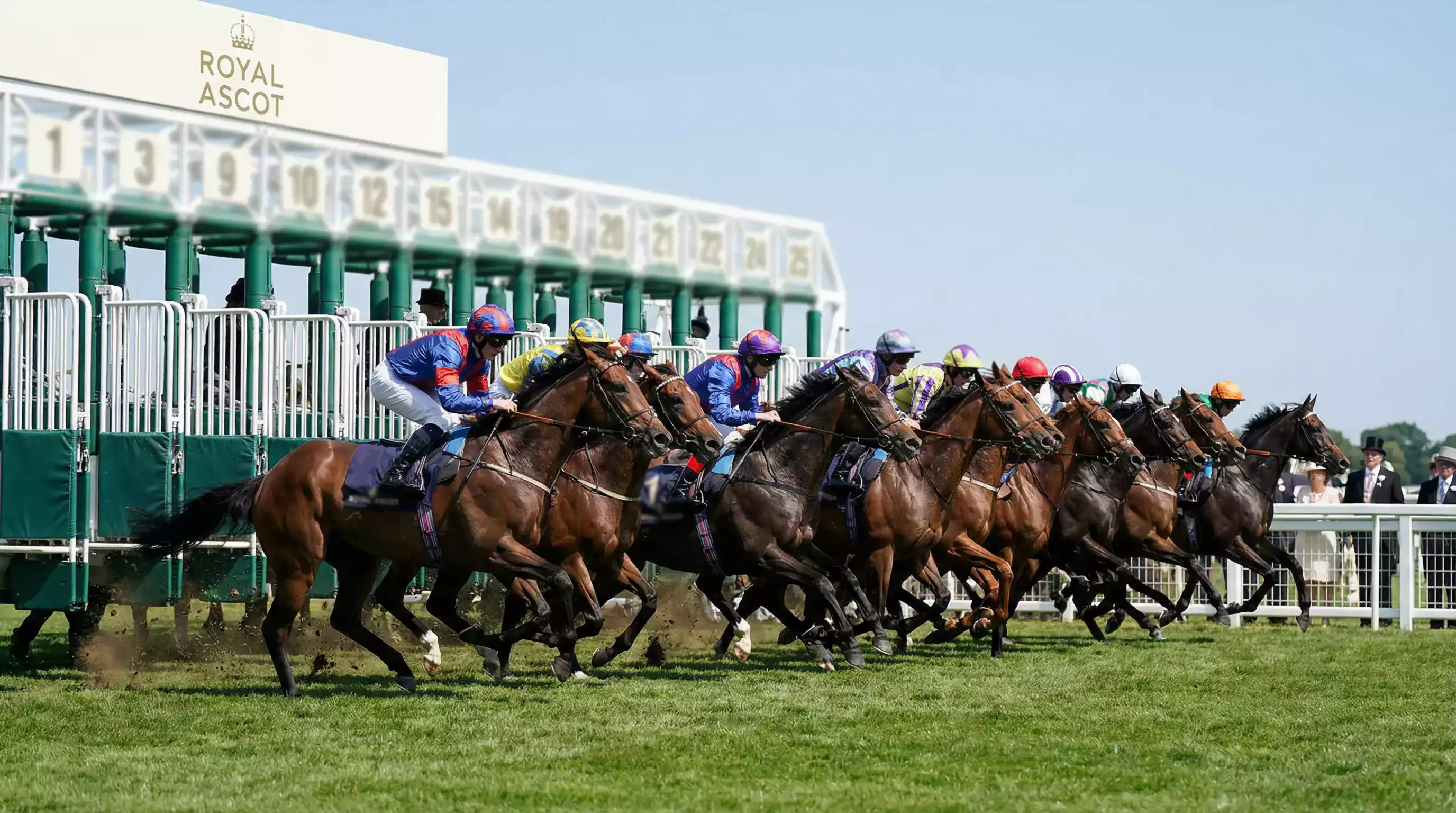
Weight alone does not determine handicap outcomes. Draw position becomes paramount in large-field sprints on the straight course. Ground conditions shift bias from one side of the track to the other. Pace scenarios determine whether front-runners or closers thrive.
Favourites in handicaps at Royal Ascot win at 23.44 per cent, lower than in non-handicaps, yet deliver a positive level-stakes profit of +£4.08 according to OLBG data. When a horse emerges as favourite in a thirty-runner field, the market has synthesised substantial information about ability, form, and conditions.
The handicapper's official ratings update weekly. A horse that ran well in defeat may have been raised several pounds for Royal Ascot. Tracking rating movements reveals which horses face stiffer penalties and which enter their race leniently treated.
Draw bias interacts with weight to create multi-dimensional puzzles. A well-handicapped horse drawn in stall 1 for a straight-course sprint faces a near-impossible task. Understanding which stalls produce winners transforms raw handicap analysis into actionable betting intelligence.
Draw Bias Analysis: Stall Positions That Win
Draw bias at Ascot creates actionable edges that no serious bettor can afford to ignore. The straight course, used for races up to a mile, shows pronounced bias toward middle and high-numbered stalls in large fields. Rail movements, ground conditions, and field size all influence the degree of bias, but the fundamental pattern persists year after year.
Data from At The Races reveals stark trends in specific races. Eleven of the last twelve Queen Mary Stakes winners came from stalls 10 or higher. The actual stall numbers read 10, 28, 17, 22, 25, 16, 20, 14, 20, 12, and 16 over recent runnings, with only one exception—Campanelle, an American-trained winner from stall 1. That pattern has persisted long enough to represent statistical significance rather than coincidence.
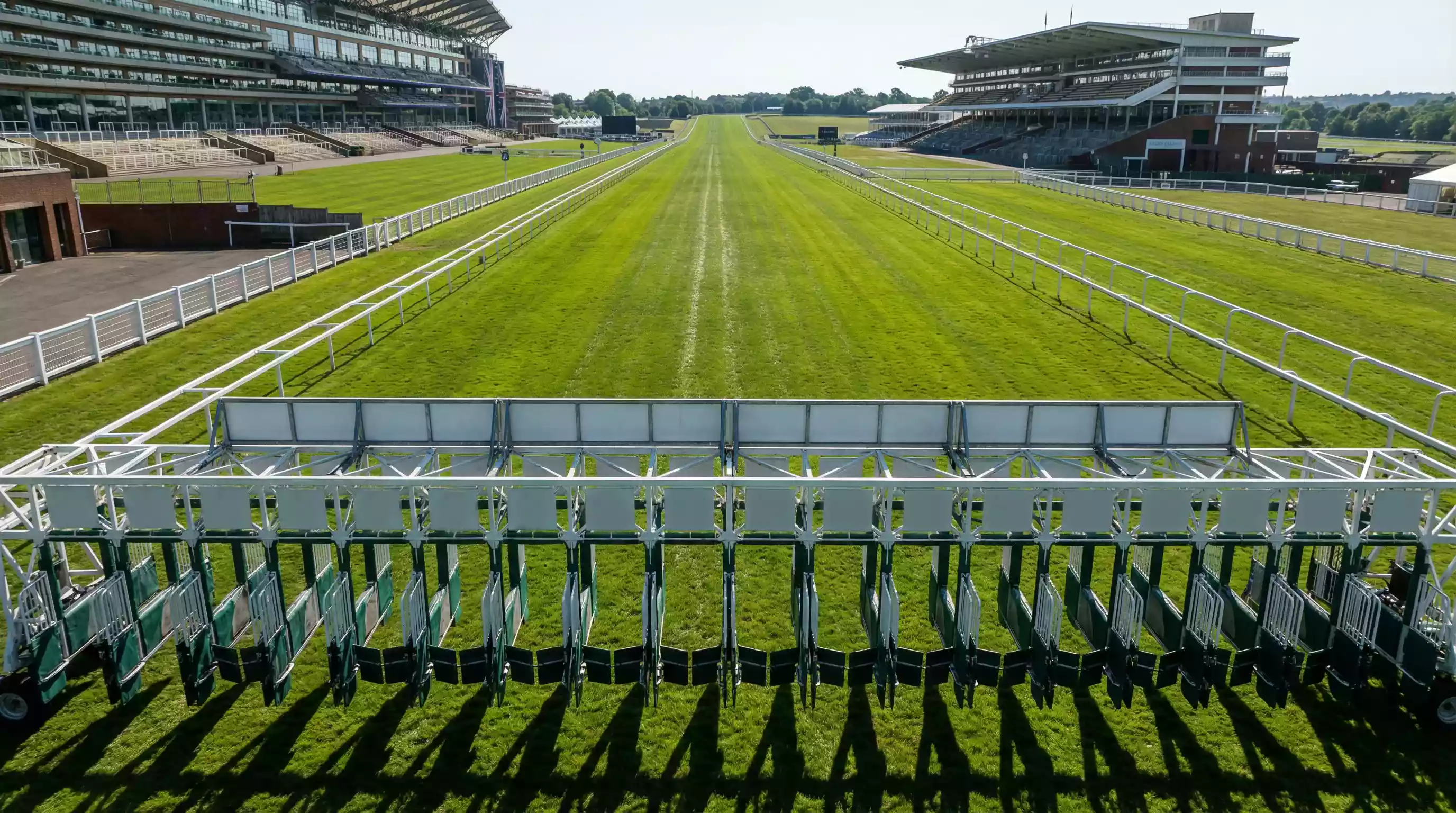
The Britannia Stakes mirrors this trend. Six of the last seven winners came from stalls 15 or higher. The Buckingham Palace Stakes, a heritage handicap sprint, shows an even more extreme pattern: six of its last seven winners started from stall 26, positioned toward the stands' side where the fastest ground typically lies in June.
The six-furlong course demonstrates negative bias for certain positions. Stall 7 at six furlongs has produced the worst level-stakes profit of any position over five years, returning -£75.25. Bettors who systematically excluded horses drawn in stall 7 for six-furlong sprints would have preserved significant capital. Stall 6 in one-mile races shows similar weakness, posting LSP of -£55.50 over the same period.
The round course, used for middle-distance races, shows less dramatic draw effects in smaller fields. However, soft ground amplifies the stands' side bias, as the rail tends to churn up while the far side retains better going. On soft or heavy ground days, checking where the rail has been positioned that week becomes essential.
For sprint handicaps on the straight course, filter selections to middle or high stalls before considering form. Ignoring draw bias in twenty-plus-runner fields courts unnecessary losses.
Going and Ground Impact on Results
Ground conditions shape every race at Ascot more than many bettors appreciate. The official going description, ranging from firm through good to soft and heavy, determines pace dynamics and stamina requirements. Royal Ascot in June typically produces good to firm conditions, but unseasonal rain can soften the ground dramatically within hours.
Fast ground favours speed horses and tactical types who can quicken late. The uphill finish on the straight course penalises front-runners; firm ground intensifies that effect. Sprint handicaps on good to firm ground often see the winner coming from off the pace.
Soft ground transforms Ascot into a stamina test. The climb from Swinley Bottom becomes genuinely gruelling when the surface cuts up. Horses that handle testing ground possess an inherent advantage when conditions turn against the majority. Checking proven form on soft ground identifies specialists who may be undervalued.
Ground preferences vary significantly by horse. A sprinter who posted career-best figures on firm may struggle when rain arrives. Trainers know their horses' preferences and often withdraw entries when conditions turn unsuitable, presenting opportunities for prepared bettors.
Even soft ground advantages the stands' side of the straight course, amplifying existing draw biases. Combining going analysis with draw data produces a multi-factor filter that narrows the field to genuine contenders.
Trainer Statistics: Profit and Loss Leaders
Trainer statistics at Royal Ascot reveal a consistent truth: raw win counts mislead more than they inform. Level-stakes profit, which measures returns from backing each trainer's runner at starting price, exposes significant gaps between reputation and betting value.
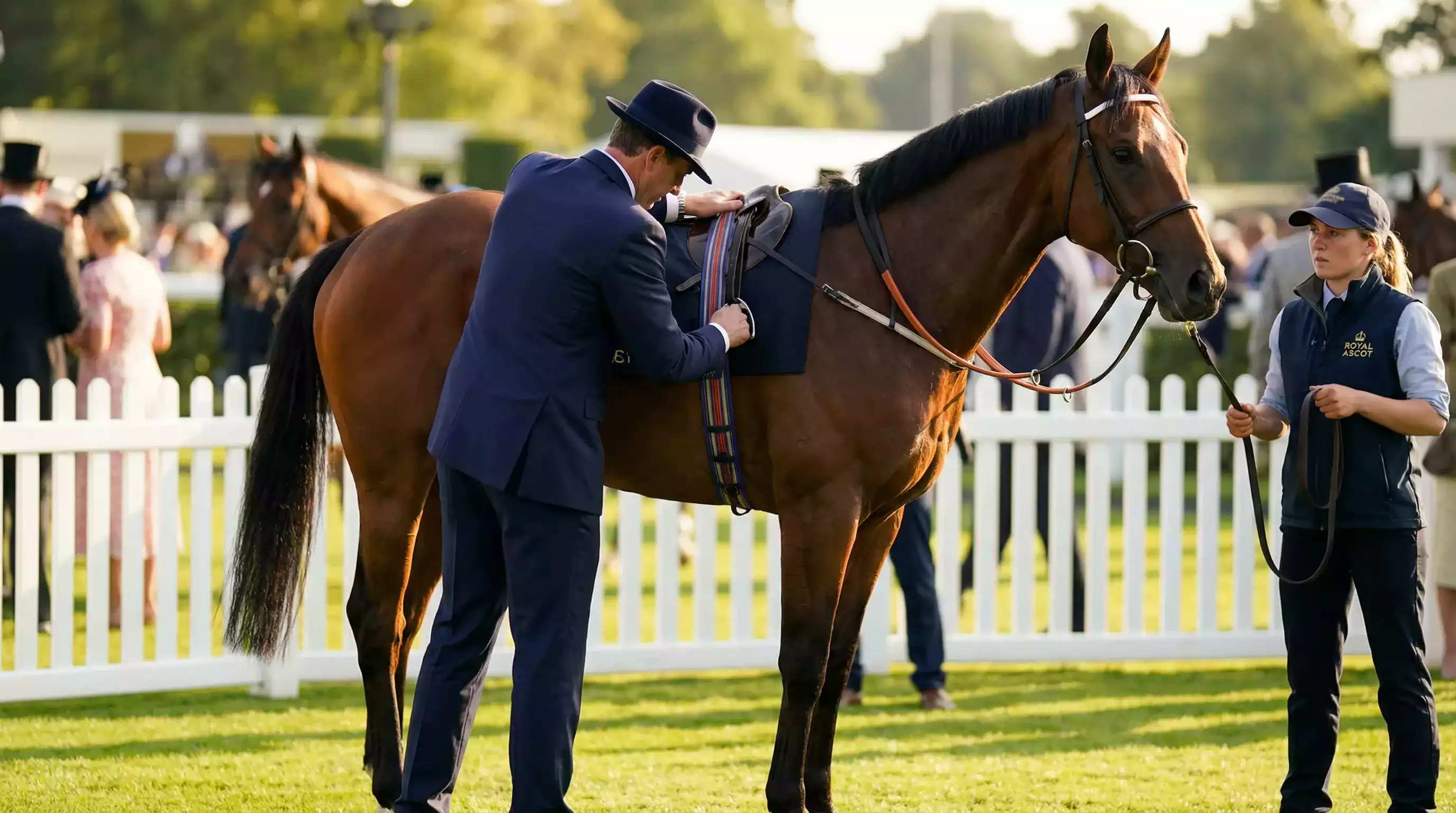
Karl Burke leads all trainers in five-year level-stakes profit at Royal Ascot with +£20.75 from eight winners. Burke's edge comes from sending horses priced appropriately by the market, enabling backers to profit even with a modest strike rate.
Contrast Burke with Aidan O'Brien, who has accumulated forty-eight Royal Ascot wins, the most of any trainer. Yet O'Brien's level-stakes profit sits in negative territory. The market shortens his runners based on reputation, compressing odds below their true probability. Backing every O'Brien runner blindly destroys capital.
Wesley Ward represents American raiding parties with distinction. The Kentucky-based trainer has logged twelve Royal Ascot victories since 2009, eight with two-year-olds. "The racing gods came together, and we've been able to get the Americans over there at least knowing they have a chance now," Ward observed.
Clive Cox deserves special mention for each-way bettors. His level-stakes profit of +£52.18 across placings reflects horses that consistently run their races without always winning.
Jockey Patterns: When to Follow, When to Fade
Ryan Moore dominates Royal Ascot with fifty-six victories between 2016 and 2025, an 18 per cent strike rate that reflects consistent excellence. Yet Moore's level-stakes profit of -£53.95 over that period illustrates the paradox: being the best does not mean being the best bet.
Moore's prices reflect market expectations. When he rides for Aidan O'Brien, the combination attracts support regardless of actual probability. However, isolating Moore's record reveals profitable angles. Moore partnering O'Brien in Group 2 races has produced a 26 per cent win rate and level-stakes profit of +£25.98.
Second-string jockeys occasionally offer superior value. When a stable splits its runners, the second rider often takes a horse capable of winning but priced longer. Tracking jockey booking patterns highlights where informed money flows.
The practical approach involves neither blindly following nor blindly fading any jockey. Moore's record in Group 2 races justifies backing; his overall LSP counsels against routine support. Each jockey's data requires race-type segmentation to extract actionable insight.
Ante-Post Strategy: Early Prices and NRNB
Ante-post betting on Royal Ascot begins months before the meeting. These early markets carry risk: if your selection fails to run, your stake is lost. That risk creates opportunity for bettors willing to accept volatility in exchange for superior odds.
Non-runner no-bet terms mitigate this risk. Many bookmakers offer NRNB pricing from five days beforehand, returning stakes if your selection does not make the final field. These prices sit shorter than pure ante-post odds but longer than day-of-race prices.
The Vance Hanson method provides a case study. The American analyst has tracked Royal Ascot betting for fourteen years, focusing on Thursday and Friday's racing. His returns show $3.98 profit for every $2 staked, with ten of fourteen years producing positive results.
Ante-post prices move in response to trial form. A horse that wins impressively in May will see its Royal Ascot price shorten. Tracking these movements identifies where the market has overreacted. For most bettors, ante-post engagement suits Group races where principal contenders are known months ahead.
Betting Exchanges: Laying and Trading Ascot
Betting exchanges enable strategies impossible with traditional bookmakers. Bettors can lay horses to lose, effectively becoming the bookmaker, and trade positions as prices fluctuate. Royal Ascot attracts sufficient liquidity on Betfair to support sophisticated trading.
Laying horses involves offering odds for others to back. If you lay at 4.0 and the horse loses, you keep the stake. Laying short-priced favourites in handicaps offers appeal at Royal Ascot, where favourites win at only 23 per cent. A favourite drifting from 3.0 to 4.0 before a race often reflects informed concern.
In-running trading extends opportunities beyond the start. A horse that breaks slowly may drift from 3.0 to 10.0 within seconds. Longer races like the Gold Cup allow extended trading windows.
Exchange commission of five per cent on net winnings compresses margins. Liquidity peaks during Group 1 races, with millions matched. Handicaps attract less liquidity. Matching strategy to available liquidity prevents execution failures.
Bankroll Management for a Five-Day Festival
Royal Ascot's thirty-five-race schedule creates unique bankroll pressures. Seven races per day multiply opportunities and risks. Without structured management, even profitable bettors can exhaust their capital before Saturday's closing card.
Divide total bankroll by number of intended bets rather than by day. If you plan twenty-five bets, each represents four per cent of bankroll. Flat staking smooths variance and prevents catastrophic losses. Chasing losses with increased stakes compounds errors.
Reserve allocation protects against early adversity. Setting aside thirty per cent for Thursday and Friday preserves firepower for peak-quality racing. The Gold Cup and Commonwealth Cup attract the deepest liquidity.
Variance across large-field handicaps means losing runs will occur. A bettor backing 12/1 shots each-way expects multiple consecutive losses before hitting a winner. Horse racing participation in the UK has risen to seven per cent of adults in 2025 according to Gambling Commission data. Bankroll discipline positions systematic bettors to outlast recreational punters.
Choosing Your Bookmaker for Ascot
Bookmaker selection affects returns more than most bettors realise. The difference between best and worst odds on any Royal Ascot race can exceed ten per cent. Maintaining accounts with multiple operators preserves this edge.
Traditional bookmakers like William Hill, Ladbrokes, and Coral offer extensive market coverage. Bet365 typically leads on early pricing and market depth, with Best Odds Guaranteed protecting against unlucky timing when horses drift.
Paddy Power and Betfair Sportsbook often offer enhanced place terms for handicaps. During Royal Ascot, extra places paying six, seven, or eight positions transform each-way mathematics in the bettor's favour.
Opening accounts across five or six bookmakers before Royal Ascot enables odds comparison for every bet. The five-minute investment in checking prices returns compounding benefits across a thirty-five-race programme.
Free Bets and Enhanced Place Offers
Royal Ascot triggers intense promotional activity from UK bookmakers. Free bet offers, enhanced odds, and extra places compete for customer attention. Navigating these promotions intelligently adds value.
Welcome bonuses typically offer matched free bets. A £20 free bet returns only the winnings, not the stake. Converting free bets to cash involves backing at high odds while laying on an exchange, extracting 70-80 per cent of face value.
Enhanced odds frequently carry maximum stake limits. A price boosted from 5/1 to 7/1 with a £10 maximum adds only £20 potential profit.
Extra place offers on handicaps deserve closer attention. An offer paying six places instead of four expands each-way value mathematically for mid-priced selections.
Comparing Odds Across Platforms
Odds comparison delivers compounding returns over a betting festival. A systematic bettor securing five per cent better odds than average across twenty-five bets adds more than one full unit of expected value.
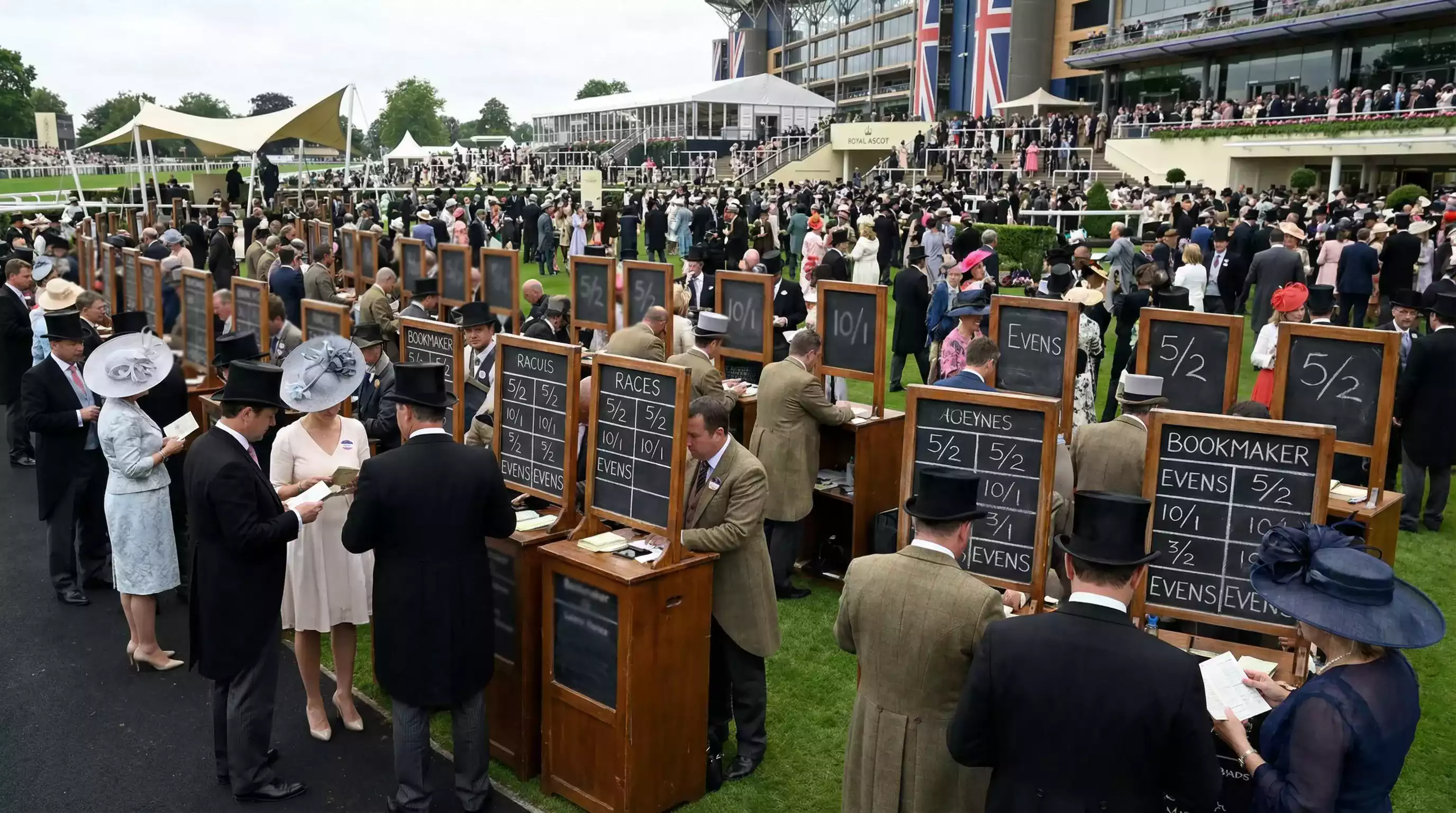
Odds comparison sites aggregate prices from major UK bookmakers in real time. Oddschecker and similar platforms highlight which operator offers best price. Checking comparison sites shortly before placing each bet captures current value.
World Pool offers an alternative dimension. At Royal Ascot 2025, World Pool win dividends exceeded starting price in twenty of thirty-five races, with exacta dividends outperforming UK forecasts in twenty-three races and trifecta dividends beating tricast in twenty-four races.
Exchange odds often exceed fixed-odds bookmaker prices. A horse at 9.0 on Betfair while bookmakers offer 8/1 represents an eleven per cent improvement. Comparing exchange and fixed odds for each selection maximises value capture.
Frequently Asked Questions
What is each-way betting and why is it popular at Royal Ascot?
Each-way betting splits your stake into two parts: one on the horse to win, one on the horse to place. If the horse wins, both parts pay out. If it finishes in a placing position but does not win, you collect the place portion at reduced odds, typically one-quarter or one-fifth of the win price. Each-way betting dominates Royal Ascot because the meeting features numerous handicaps with fields exceeding twenty runners. Standard terms pay four places in such races, and bookmakers frequently extend this to six, seven, or eight places under enhanced terms. This coverage suits mid-priced selections where outright winning is uncertain but placing probability remains high. Trainer Clive Cox, for instance, has produced an each-way level-stakes profit of +£52.18 at Royal Ascot over five years, reflecting horses that consistently hit the frame without always prevailing. The format protects against narrow losses while preserving upside from outright winners.
How does draw bias affect betting at Royal Ascot?
Draw bias at Royal Ascot determines outcomes in large-field sprints on the straight course. Historical data shows pronounced patterns that persist across multiple years. Eleven of the last twelve Queen Mary Stakes winners came from stalls 10 or higher, with the sole exception being an American-trained raider from stall 1. The Britannia Handicap sees six of its last seven winners come from stalls 15 or above, while the Buckingham Palace Stakes has produced six winners from stall 26 in its last seven runnings. Stall 7 in six-furlong races holds the worst level-stakes profit record at -£75.25 over five years. These biases reflect where the fastest ground lies relative to rail position and how large fields compress toward the stands' side. Bettors should filter selections in sprint handicaps to middle or high stalls before considering form. Ignoring draw position in twenty-plus-runner fields represents a structural disadvantage that systematic bettors avoid.
How to find value in Royal Ascot ante-post markets?
Ante-post value at Royal Ascot emerges from price inefficiency before trial form and market liquidity fully crystallise. Early prices reflect speculative assessments rather than informed consensus, creating opportunities when you identify horses whose prospects the market underrates. Focus on Group races where principal contenders are known well in advance; handicap ante-post markets carry greater uncertainty because official ratings continue adjusting until declarations close. Non-runner no-bet terms, typically available from five days before the meeting, mitigate withdrawal risk while retaining some price edge. Track price movements after major trial races in May, as the market often overreacts to impressive or disappointing performances. The Vance Hanson method demonstrates disciplined ante-post value extraction, returning $3.98 for every $2 staked on Thursday and Friday racing across fourteen years. Patience, selectivity, and willingness to accept some non-runner risk distinguish profitable ante-post bettors from those who chase headlines.
Final Word and Where to Start
UK Ascot races betting rewards preparation over intuition. The data patterns laid out in this guide, from draw bias in sprint handicaps to trainer-jockey combinations in Group 2 races, represent edges that compound across a thirty-five-race programme. Understanding Ascot's track configuration, the rhythm of its schedule, and the structure of its betting markets positions you to extract value where casual punters leave money on the table.
Begin with track knowledge. Recognise the difference between straight-course sprints and round-course stamina tests. Identify how rail movements and going conditions shift advantage from one stall position to another. Study which trainers deliver profit at level stakes versus those whose reputations exceed their betting returns.
Build your approach around the calendar. Ante-post markets offer early value for those accepting non-runner risk. Day-of-race betting benefits from overnight declarations and morning going reports. Thursday and Friday concentrate the meeting's highest-quality racing, justifying reserve allocation for peak opportunities.
Manage your bankroll with discipline. Flat staking across intended bets smooths variance. Recording every bet enables post-meeting review that identifies where your actual returns diverged from expectation. Improvement comes from data, not from memory.
Royal Ascot 2026 arrives in June with £10.65 million in prize money, the King George in July becomes Britain's first £2 million race, and British Champions Day in October closes the flat season in style. Each fixture carries its own characteristics, its own biases, and its own opportunities. The framework established here applies across all three. The rest is execution.
