
Wokingham Stakes Betting: Sprint Handicap Mastery
 Available in US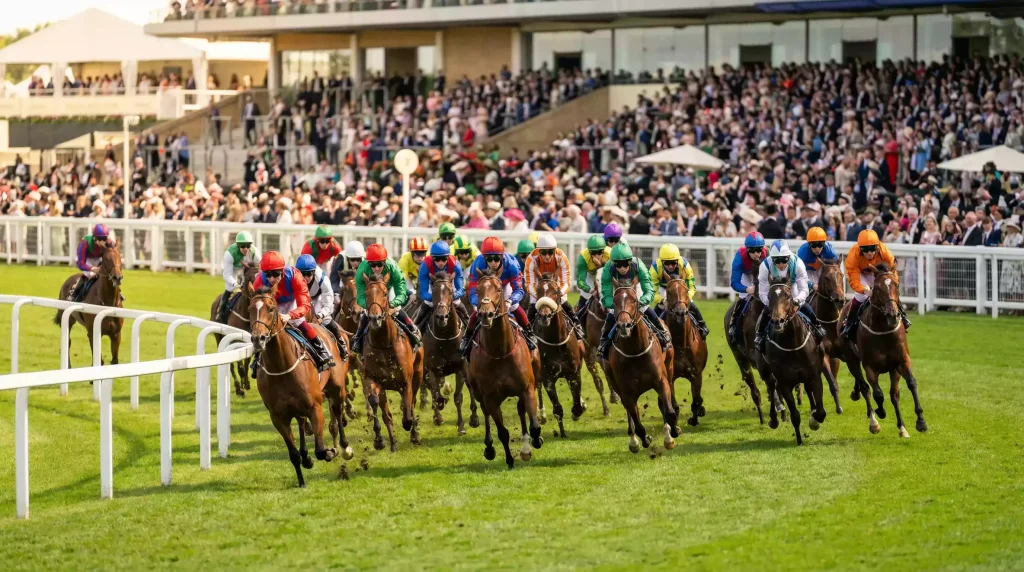
Saturday’s Sprint Handicap Showdown
The Wokingham Stakes delivers one of Royal Ascot’s most spectacular sights: thirty horses thundering down the straight six furlongs in a sprint handicap that rewards speed, positioning, and an element of fortune. Staged on Saturday afternoon, the race attracts the season’s best handicap sprinters and punters seeking a big-field betting challenge to close the meeting with excitement.
Wokingham Stakes betting demands attention to details that matter less in smaller fields. Draw position, pace distribution across the track, and weight patterns all influence outcomes materially. The race has produced memorable coups and crushing defeats in roughly equal measure; understanding its specific dynamics separates profitable bettors from those merely hoping for luck to carry them through.
Historical data from OLBG reveals that stall 7 at six furlongs produces the worst level stakes returns of any position: LSP -75.25 over five years. That single statistic encapsulates the Wokingham’s nature—positioning matters enormously, and bettors who ignore it do so at their peril. This article examines how to navigate the complexities and identify genuine contenders from among thirty hopefuls.
Draw Analysis for 30-Runner Sprints
The Wokingham’s draw bias operates differently from mile handicaps. Over six furlongs, runners have less time to overcome poor starting positions. At The Races analysis shows that ten of twelve straight-course races in 2024 with large fields were won from double-figure stalls. Middle to stands’ side draws consistently outperform the near-side rail positions.
The stands’ side rail often offers the fastest ground. Racecourse maintenance typically concentrates watering toward the centre and far side of the track, leaving the stands’ rail firmer and faster. In a sprint where fractions of a second determine outcomes, even marginal ground differences affect results significantly. Horses drawn high can access this better terrain directly; horses drawn low must cross the track or accept slower footing that saps energy.
Crossing the track costs energy and position. A horse breaking from stall three who attempts to reach the stands’ side surrenders lengths while angling across. Those lengths might prove decisive in a finish where margins are measured in noses and short heads. Runners drawn low fare best when they can use their natural speed to establish position on the rail without fighting for it, then hold that line throughout the race.
Study how jockeys have ridden from different draws in recent Wokingham renewals. Patterns emerge: some jockeys immediately angle toward the stands’ side regardless of draw; others commit to the rail early and stay there. Knowing your selection’s likely tactics based on jockey habits helps assess whether their draw suits their probable approach.
Speed Figures and Pace Dynamics
Thirty runners guarantee a furious early pace. Multiple horses will attempt to seize the lead from their stalls, creating a wall of sprinters travelling flat out toward the two-furlong marker. This intensity suits certain profiles: horses who relax behind the pace, travel economically, and produce a finishing kick when gaps appear.
Front-runners face a dilemma. Leading from an unfavourable draw means either hugging the rail—potentially the slower ground—or crossing to the stands’ side while expending energy better saved for the finish. Even front-runners drawn well must judge their effort: going too fast too early invites collapse; going too slow allows rivals to draft behind and outkick them.
Speed figures from previous runs help identify horses with the raw ability to compete. However, handicap company compresses these figures through the weights. A horse with a 105 speed figure carrying ten stone faces a different task than a horse with a 95 speed figure carrying nine stone. Assess figures relative to weight rather than in isolation.
Course-and-distance form carries additional weight. Horses who have previously contested the Wokingham or similar Ascot six-furlong handicaps have proven they cope with the unique demands. First-time visitors from smaller tracks may struggle with the width of the course, the size of the field, or the relentless pace that only the biggest sprint handicaps produce.
Weight Trends: Topweight vs Lightweights
The Wokingham’s weight range creates genuine competition across ability levels. Topweights carrying ten stone or more must overcome significant burdens against lighter-weighted rivals receiving substantial allowances. Historical patterns suggest no single weight range dominates consistently—both high and low weights have produced recent winners depending on individual circumstances.
Well-handicapped horses offer the clearest route to value. A horse whose rating has dropped following a disappointing run that can be excused—trouble in running, unsuitable ground, poor draw—may return to form at an attractive price. The handicapper cannot always anticipate improvement, and identifying horses poised to bounce back constitutes profitable handicap analysis.
Three-year-olds receive weight allowances against older horses. In June, these allowances reflect incomplete physical development and can prove generous when a progressive three-year-old arrives with upward momentum and unexposed ability. When a lightly raced three-year-old with scope for improvement enters the Wokingham, they often represent each-way value at prices that underestimate their chance.
Exposed handicappers who have been running consistently at similar marks rarely outperform expectations. A six-year-old who has contested sprint handicaps monthly without significant form variation is what they are—reliable but predictable. The market prices such horses accurately based on extensive data. Seek horses with room for reassessment: recent stable moves, equipment changes, or tactical shifts that might unlock improvement beyond current ratings.
Selection Framework for the Wokingham
Begin by filtering on draw. Remove horses from stalls five through nine unless their tactical profile overcomes that statistical disadvantage—a horse with exceptional early speed from stall eight might establish position before the disadvantage materialises fully. Prioritise double-figure stalls, particularly those between twelve and twenty-two where runners can access the stands’ side without extreme crossing angles.
Cross-reference draw with running style. A closer from stall twenty-five can swing wide and arrive late with a clear run through the field. A closer from stall three faces traffic throughout and may never find daylight. A front-runner from stall fifteen can establish position efficiently; a front-runner from stall thirty must burn energy crossing the track. Match tactics to stall position carefully.
Consider multiple selections to spread your exposure. The Wokingham’s complexity exceeds single-selection confidence for most bettors approaching the race honestly. Three selections at prices between 14/1 and 25/1 spread risk across the field’s inherent uncertainty. Each-way betting extends this further—extended place terms in thirty-runner fields mean hitting the frame generates returns even when wins elude your primary fancies.
Stake conservatively relative to your overall Royal Ascot bankroll. Saturday afternoon brings the temptation to chase losses or press winning runs accumulated earlier in the week. The Wokingham’s apparent solvability encourages overconfidence. Maintain discipline: the race rewards analysis but still contains irreducible randomness that humbles even the most prepared. No framework guarantees profit in individual cavalry charges; the goal is edge over multiple renewals, accepting individual losses as part of the process.
Wokingham Stakes Betting — More on this topic at ascot races betting.
See also Prince of Wales’s Stakes Tips.
