
Coronation Stakes Betting: The Fillies' Mile Championship
 Available in US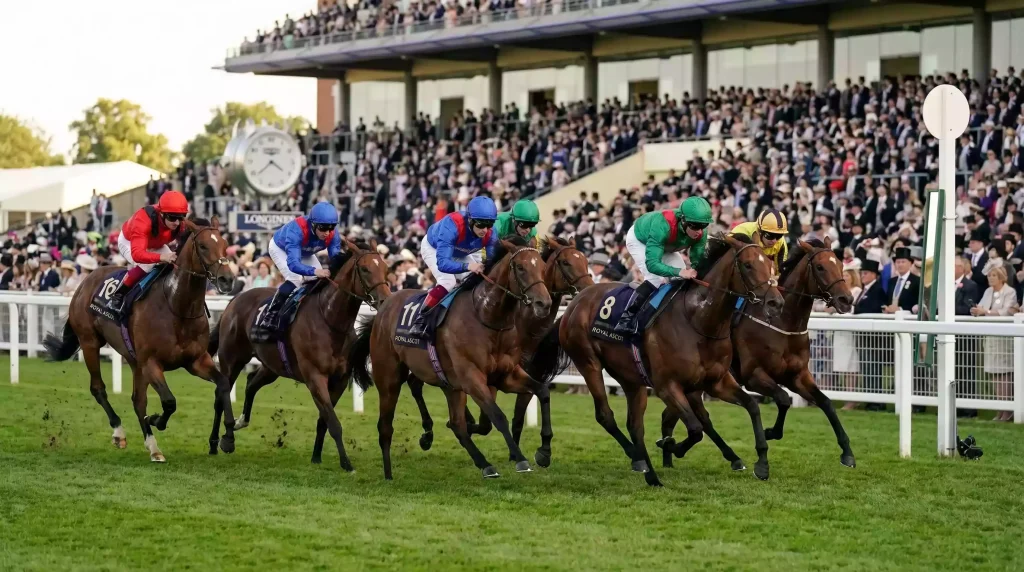
The Fillies’ Mile Championship
Coronation Stakes betting centres on identifying the best three-year-old filly over a mile in Europe. This Group 1 contest, staged on Friday of Royal Ascot, assembles classic performers from Britain, Ireland, and France to determine who deserves championship status. The race carries prestige rivalling the 1000 Guineas itself.
Royal Ascot features eight Group 1 races across the five days, with the Coronation Stakes representing the premier target for mile fillies. The field typically numbers between six and ten runners—select, high-quality, and competitive. Every entrant arrives with aspirations of confirming elite ability.
The Coronation Stakes often settles unfinished business from the spring classics. Fillies who met in the 1000 Guineas reconvene with different conditions, different fitness levels, and different tactical approaches. Form reversals happen regularly. The Guineas winner isn’t guaranteed to confirm superiority; those who finished close behind may have improved, or found Ascot’s track more suitable.
For form analysts, the race presents a concentrated puzzle. Small fields mean every runner receives detailed scrutiny. The market prices quality tightly—outsiders face an uphill task. Success comes from identifying subtle edges: which filly has trained on, which handles the ground, which running style suits the likely pace.
Friday afternoon at Ascot belongs to these fillies. The week’s momentum builds toward this moment, when the best of their generation compete for a prize that shapes stallion careers and breeding values. Coronation Stakes betting requires respect for that context—this isn’t a race where casual selections thrive.
1000 Guineas Form: Classic Lines
The 1000 Guineas at Newmarket, run in early May, provides the primary form reference for Coronation Stakes assessment. Most runners will have contested the Guineas or the equivalent French or Irish versions. Understanding how that form translates to Ascot separates informed bettors from those simply backing the Guineas winner.
Three-year-only races at Royal Ascot have produced a level-stakes profit of +£17.98 with a 35.21% win rate for favourites over the past five years. This statistic reflects the fact that classic form is reliable when horses meet again at the same age and similar conditions. The best fillies from May remain the best fillies in June, absent significant changes.
But the Coronation Stakes introduces variables the Guineas didn’t present. Ascot’s round course differs from Newmarket’s straight mile. The uphill finish at Ascot tests stamina more than Newmarket’s galloping surface. A filly who stayed on powerfully to win at Newmarket might find Ascot’s climb suits her better. One who was caught near the line might find the extra test exposes her limitations.
Intervening form between Guineas and Coronation matters. Some fillies run trial races in the weeks between; others head straight to Ascot. A filly who won a Group 2 impressively since the Guineas has confirmed her wellbeing. One whose connections kept her fresh since Newmarket might be slightly less race-sharp but also less fatigued. Neither approach is inherently superior—both depend on the individual horse’s needs.
Examine the Guineas race replay critically. Did the winner benefit from a favourable trip? Did beaten fillies encounter trouble that affected their finishing positions? Racing luck exists. A filly who ran greenly or was hampered might have finished closer with a cleaner run. These observations inform Coronation Stakes prices without being directly visible in the result.
The Guineas provides the benchmark. The Coronation determines whether that benchmark holds or whether improvement and circumstance reshape the division’s hierarchy.
French and Irish Raiders: International Threat
The Coronation Stakes attracts international challengers who haven’t contested the Newmarket Guineas. French fillies, in particular, arrive via different route races—the Poule d’Essai des Pouliches or preparatory Group races at Longchamp and Chantilly. Irish fillies may have targeted the Irish 1000 Guineas instead. Assessing these international form lines requires care.
French three-year-old form often translates strongly to Royal Ascot. The French racing style—typically slower early pace with emphasis on finishing speed—produces fillies who handle Ascot’s demanding finish well. They’ve learned to conserve energy and accelerate late, which suits the round-course configuration. French-trained Coronation winners have been frequent over the decades.
The challenge is comparing French and British form directly. Different opponents, different tracks, different pace scenarios make raw comparison difficult. Time figures and speed ratings attempt to bridge the gap, but they carry assumptions about track speeds and going that may not hold. Experienced analysts rely partly on stable reputations—certain French trainers consistently produce Ascot runners of genuine quality.
Irish raiders typically run against some of the same horses as British fillies, making form comparisons easier. The Irish 1000 Guineas at the Curragh provides a direct benchmark. Fillies who contested both the Irish and British Guineas offer form analysts the clearest picture—you can see how they performed against both pools.
Aidan O’Brien’s Ballydoyle operation often sends multiple runners to the Coronation Stakes. Some are intended seriously; others make up numbers and test the track for future campaigns. Identifying which Ballydoyle filly represents the stable’s best chance requires reading between the lines—jockey bookings, trainer statements, and workout reports all contribute.
International runners add depth to the Coronation Stakes. They also add uncertainty. A filly who dominated in France might find British opposition stronger than expected. Equally, she might confirm that the French form was at least as good as it appeared. Respect the raiders, but require evidence before backing them confidently.
Pace and Positioning in Small Fields
Small-field Group 1 races produce tactical contests. The Coronation Stakes rarely features a genuine pace-setter willing to sacrifice chances by leading throughout. Instead, several runners prefer to track pace, waiting for the sprint to the line. When everyone wants to sit second or third, the race shape becomes unpredictable.
Identifying the likely leader—or the absence of one—is essential for pace analysis. Some fillies have established front-running styles from their trials and classics. If one such filly appears, the pace scenario becomes clearer. If all runners prefer a hold-up position, someone must be cajoled into making the pace, often resulting in slow fractions that compress the field and turn the race into a sprint.
Jockey tactics play an amplified role in small fields. Ryan Moore, Frankie Dettori, William Buick—elite jockeys understand Ascot’s tactical demands and adjust their rides accordingly. A filly drawn wide might be sent forward early to secure a position; one drawn inside might sit and wait. These tactical decisions, made in seconds at the start, shape the entire race.
Fillies with tactical versatility hold an advantage. A runner who can make her own pace if necessary, or settle behind if pace is genuine, adapts to whatever scenario unfolds. Fillies locked into a single running style depend on the pace suiting them—which it might not.
The Ascot straight favours horses who can quicken rather than those who rely on sustained pressure from the front. A slow pace followed by a sharp sprint typically benefits closers who’ve conserved energy. A faster pace tests stamina, potentially exposing fillies with mile-speed but limited reserves. Anticipating which scenario develops requires knowing the runners’ styles and guessing how their jockeys will approach the tactics.
Coronation Stakes Selection
Begin with classic form. Which fillies performed best in the 1000 Guineas or equivalent trials? Rank the field by demonstrated ability, adjusting for any trouble encountered or ground preferences that affected performance.
Assess improvement potential. Have any fillies shown signs of progression since their classic appearances? Strong workouts, confident trainer quotes, or impressive trial wins suggest a filly who’s trained on. The Coronation Stakes often produces improvers who outrun their Guineas form.
Evaluate international challengers. French and Irish form requires translation. Stable reputations, jockey bookings, and historical patterns help assess whether raiders represent genuine threats or hopeful expeditions. Respect quality wherever it originates, but demand evidence.
Construct the pace scenario. Who leads? Who closes? Does the likely pace suit your selection’s running style? A filly who needs a strong pace to show her finishing speed faces a problem if the race turns tactical. One who can dictate holds an advantage if no other runner challenges for the lead.
Check ground suitability. June at Ascot usually delivers good or good to firm ground, but conditions can change. Confirm your selection handles the expected going. A soft-ground specialist on quick ground—or vice versa—faces a significant obstacle.
Finally, examine the price. The Coronation Stakes features small fields and tight markets. True outsiders rarely win; favourites deserve their position. Finding value requires identifying where the market underestimates improvement, misreads international form, or misprices tactical factors. If the favourite appears justified, backing that filly at a fair price beats forcing a longshot in search of excitement.
The Coronation Stakes determines the championship. Selection requires championship-level analysis. Approach the race accordingly.
Coronation Stakes Betting — More on this topic at ascot races betting.
See also St James’s Palace Stakes Tips.
