
Queen Anne Stakes Betting: Group 1 Mile Analysis for Opening Day
 Available in US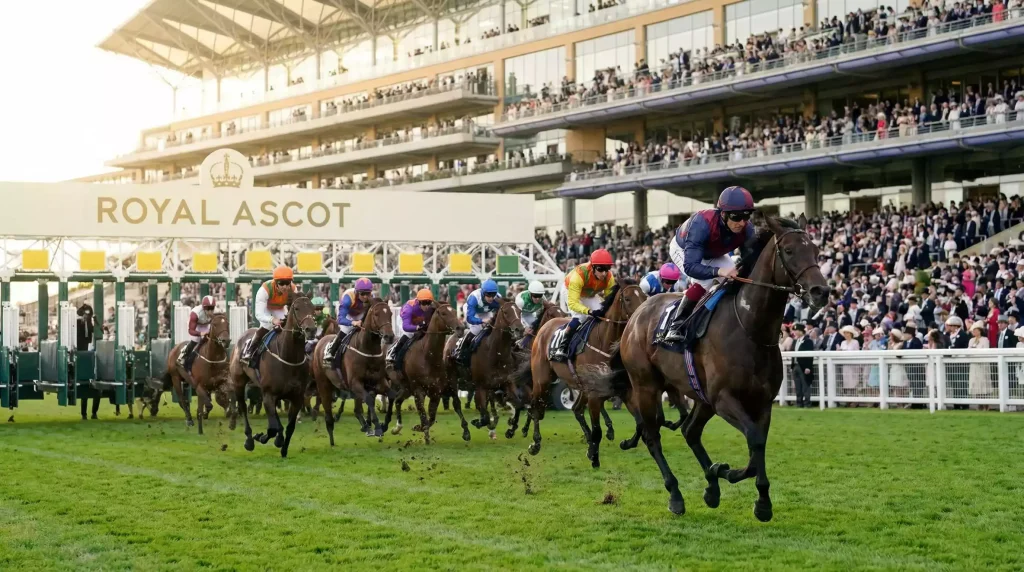
Setting the Tone for Five Days
The Queen Anne Stakes opens Royal Ascot. Not merely the first race of Tuesday, but the first Group 1 of the entire meeting, it establishes the standard that follows. Connections who send their milers here are making a statement: this horse belongs among the elite. For bettors, the Queen Anne offers something valuable—a race where class tells, where exposed form can be reliably assessed, and where chaos is relatively rare.
Royal Ascot hosts eight Group 1 races across five days, each attracting the best horses in training. The Queen Anne benefits from timing. Milers fresh from spring campaigns arrive at their peak. The 1000 and 2000 Guineas have been contested, revealing form lines that inform Queen Anne betting. Some horses step up from Group 2 or Listed company; others drop in trip from middle-distance assignments. All converge on the Ascot straight course for a one-mile examination of speed, tactical awareness, and pure quality.
Tuesday’s attendance in 2025 reached 45,551, modest compared to Saturday’s crowds but substantial by any reasonable measure. The atmosphere is sharp, expectant. Punters who have waited through the spring for Royal Ascot to arrive finally have skin in the game. Getting the Queen Anne right sets the mood. Getting it wrong—particularly by overcomplicating a race that often rewards straightforward analysis—can derail an entire week before it properly starts.
Mile Specialists: Form Lines That Matter
The Queen Anne demands proven milers. Horses with top-level form at exactly one mile hold an inherent advantage over those stepping up or down. This is not a trial race where unexposed potential might triumph; it is a championship event where credentials matter. When evaluating contenders, prioritise those who have already won or placed at Group 1 level over a mile.
The spring Guineas provide the primary form reference. A horse who contested the 2000 Guineas at Newmarket or the Irish 2000 Guineas at the Curragh has faced genuine competition under pressure. Even a beaten Guineas runner, if the effort was respectable, may prove superior to a horse who merely won a weaker Group 2 elsewhere. Form through the colts’ classic often translates directly to Queen Anne success for three-year-olds.
Older horses typically hold the balance of power. The Queen Anne regularly falls to experienced milers aged four or five who have accumulated Group 1 form over multiple seasons. These horses understand the game. They have raced at the highest level, handled various tracks, and proven their resolution in tight finishes. When an older horse with a flawless mile record faces a lightly raced improver, bet with caution—the known quantity often prevails.
French form merits respect. The Prix d’Ispahan and Prix du Muguet provide stepping stones for Gallic raiders. André Fabre, the Rouget family, and other leading French trainers have targeted the Queen Anne successfully. Their runners frequently arrive at bigger prices than UK-trained equivalents despite comparable ability. The cross-Channel angle is worth monitoring.
Draw and Pace Dynamics at One Mile
The Queen Anne is run on Ascot’s straight course, which reduces but does not eliminate draw significance. Over a mile, the field has time to settle before any track bias exerts influence. Unlike the sprints where stall position can prove decisive, the Queen Anne allows horses drawn wide to cross over without expending excessive energy. That said, on ground that rides soft, a stands’-side bias can emerge, favouring higher-numbered stalls.
Pace is typically honest without being suicidal. The quality of the field discourages negative tactics—no trainer wants to surrender the race by allowing a class rival to dictate soft fractions. Equally, the mile distance means that burning energy in the first furlong rarely pays. Expect the field to travel strongly through the first half mile before the race unfolds in earnest approaching the two-furlong marker.
Front-runners can win the Queen Anne if they possess genuine class. A horse who leads from an early position, maintains an even tempo, and quickens when asked can control the race without necessarily dominating it. However, closers win more frequently. The ability to sit behind a strong pace, conserve energy, and produce a decisive turn of foot in the final two furlongs characterises most Queen Anne winners. When two closers of similar calibre face off, the race often comes down to jockeyship—timing the run perfectly, securing a rail position, and committing at the optimal moment.
Historical Trends and Price Patterns
The Queen Anne reflects the broader pattern of Group 1 racing at Royal Ascot: class tells, and short-priced horses deliver. Racing Post analysis shows that 40 of the last 48 Group 1 races at the meeting have been won by horses priced at 6/1 or shorter. The Queen Anne is no exception. True longshots rarely win this race; the market is efficient at identifying genuine contenders.
This does not mean betting favourites blindly. Within that 6/1 threshold, significant price variation exists. A 5/2 favourite might offer value in a weak renewal, while a 7/4 shot in a stacked field might not. The key is assessing each edition on its merits rather than applying a blanket rule. Examine the market’s formation. If several credible runners are priced between 3/1 and 5/1, the market is uncertain. If one horse sits at odds-on while rivals drift to double figures, the market is speaking clearly.
Weight-for-age allowances help three-year-olds. In June, they receive a substantial allowance against older rivals, reflecting their incomplete physical development. A progressive three-year-old who has improved through the spring can overturn seemingly established elders. Watch for younger horses whose form has been franked by subsequent results—beaten rivals who have won since, or time comparisons that flatter the original performance.
Weather affects prices. Rain forecast for Tuesday morning can shift the market materially if one contender is known to handle soft ground while another requires firmer terrain. Check conditions before committing significant stakes.
Selection Approach for the Queen Anne
Begin by identifying proven Group 1 milers. Remove horses stepping up or down in trip unless their connections have demonstrated a clear reason for the move. A horse dropping from ten furlongs might find a mile too sharp; a sprinter stretching out might run out of petrol late. Neither profile suits Queen Anne betting well.
Assess the pace scenario. Identify the likely leader and consider whether they will set fractions that suit closers or hold them together long enough to test sustained speed. If the leader is a genuine Group 1 performer capable of maintaining quality fractions, they warrant respect. If the leader is a pacemaker or lesser rival, focus on the closers who will benefit from their honest work.
Compare jockey bookings. The Queen Anne attracts elite riders: Moore, Dettori, Buick, Doyle. These jockeys can find half a length in a finish that lesser pilots might surrender. When two horses of similar ability carry different calibres of rider, that margin matters in a championship race. Ryan Moore, despite an overall negative level stakes profit at Royal Ascot due to riding many short-priced beaten favourites, excels at delivering in close finishes where experience and nerve count.
The final step is price assessment. Identify your selection, establish a fair odds range, and act if the market offers value within that range. If your selection trades at odds shorter than you believe justified, the correct decision is to pass. The Queen Anne opens Royal Ascot—patience serves better than forced bets. A winning start matters less than profitable betting across the week.
Queen Anne Stakes Betting — More on this topic at ascot races betting.
See also Royal Hunt Cup Strategy.
