
Albany Stakes Betting: Assessing Juvenile Fillies at Ascot
 Available in US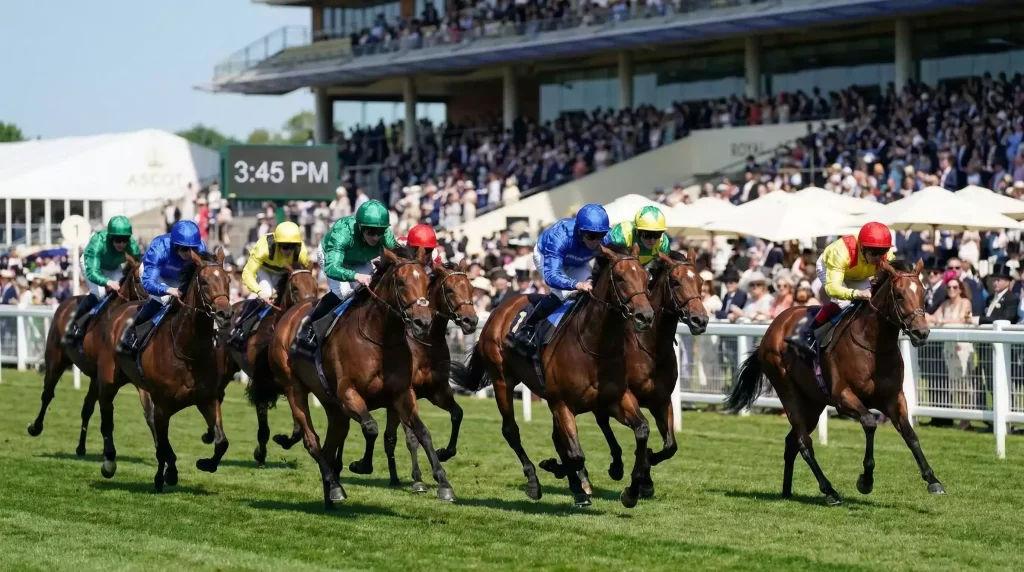
The Fillies’ Speed Test
The Albany Stakes provides Royal Ascot’s definitive examination of two-year-old fillies over six furlongs. This Group 3 contest attracts the best juvenile fillies in training, each representing their connections’ hopes for future Classic ambitions and valuable sales profiles. Albany Stakes betting demands understanding the specific challenges of juvenile fillies’ racing—form that is shallow, potential that is uncertain, and market signals that can mislead as easily as illuminate.
The race sits one furlong longer than the Queen Mary Stakes, creating significant overlap between the two contests. Some fillies contest both races during the week; others choose the Albany specifically, believing the extra furlong suits their profile better. Understanding this relationship—which Queen Mary runners bounce back effectively, which Albany fresh horses hold edges—structures profitable analysis and creates value opportunities.
Friday’s card positions the Albany in the afternoon programme, drawing substantial betting interest from punters seeking juvenile value. Fields typically number fifteen to twenty runners, large enough for each-way value yet concentrated enough for detailed form study. The Group 3 status sits below the Queen Mary’s Group 2, but the Albany’s six-furlong trip sometimes produces better long-term Classic performers who progress through the divisions. Identifying future stars before the market fully appreciates them creates genuine edge.
Queen Mary Also-Rans: Bounce-Back Potential
The Queen Mary Stakes on Tuesday attracts the fastest juvenile fillies over five furlongs. At The Races data shows all twelve recent Queen Mary winners started from stalls 10 or higher, demonstrating extreme draw bias at that minimum distance. Fillies drawn low who failed in the Queen Mary may find the Albany’s extra furlong—and different draw dynamics at six furlongs—more suitable for their profile.
Assess Queen Mary beaten fillies individually rather than dismissing them collectively. Did they fail because of draw position? Did they lack the pure speed for five furlongs but show staying power in the closing stages? Did they race greenly, suggesting improvement with experience is likely? Each category suggests different Albany prospects. A filly who finished strongly from a poor draw warrants serious Albany consideration at an enhanced price.
Recovery between Tuesday and Friday matters materially. Three days is minimal between demanding efforts for juvenile fillies still learning their trade. Some bounce back with full energy; others need longer between races to restore peak condition. Trainers who excel at quick turnarounds—producing fresh performances within the week—offer confidence. Those whose horses typically require spacing may find their Queen Mary runners flat by Friday afternoon.
Market reaction provides valuable information. A Queen Mary beaten filly whose Albany price shortens significantly suggests connections believe the extra furlong unlocks improvement. One who drifts may signal trainer concern about recovery or suitability. Watch market movements on previously exposed fillies carefully; the money often knows what the form book cannot tell us.
Debut Winners: Speed Figures
Albany contenders who have won novice or maiden events provide the most reliable form evidence. Speed figures from these victories—adjusted for track, ground, and opposition quality—create a ranking system for comparing unfamiliar fillies. The fastest adjusted figure often identifies the filly with the most natural ability.
Context matters when interpreting figures. A fast time at Bath in a weak five-furlong novice differs from a fast time at Newmarket in a competitive six-furlong maiden. The latter has proven more over a distance matching the Albany; the former may have exposed pure speed without testing stamina for the step up. Match the conditions of previous wins to Albany demands.
Visual evidence supplements numerical analysis. Watch replays of debut winners. Did the filly win on the bridle with significant reserves? Did she quicken impressively when asked? Did she show professionalism unusual for a newcomer—breaking cleanly, racing kindly, responding to the jockey’s urgency? These subjective factors add texture to raw speed figures.
Beware fillies stepping up sharply in class. A filly who won a Bath novice by six lengths was competing against selling-class opposition. The Albany fields contain Group-calibre juveniles. Visual impressiveness in weak races does not guarantee competitiveness against elite rivals. Discount debut wins against poor opposition.
Trainer Strength at 6f Juveniles
Wesley Ward has revolutionised American participation at Royal Ascot, winning eight of his twelve Royal Ascot victories with two-year-olds. His fillies particularly suit the Albany’s six-furlong test. American training methods emphasise gate speed and early position—valuable attributes over six furlongs where establishing a position matters. When Ward declares an Albany runner, the entry signals genuine belief.
Among British and Irish trainers, Aidan O’Brien sends volume that does not always translate to value. His Albany runners frequently start favourite, pricing in stable reputation rather than individual merit. Value from O’Brien’s Albany runners requires identifying which of his several entries carries the strongest private assessment—often signalled by jockey booking rather than stable comments.
Smaller yards can upset established hierarchies. A trainer outside the elite who has prepared one exceptional filly may provide value simply because punters default to familiar names. Examine the filly rather than the trainer’s overall statistics; individual quality matters more than yard averages in races where sample sizes are small.
Trainer debut statistics offer another angle. Some trainers produce ready-made two-year-olds who win first time out; others improve horses with racing experience. If a filly is making her second or third start from a trainer whose debutants typically need runs, she may outperform a more visually impressive first-time winner from a debut-specialist yard.
Albany Selection Approach
Identify Queen Mary beaten fillies whose Albany profiles suggest improvement. Prioritise those who finished strongly from poor draws, those who showed greenness that experience might resolve, and those stepping up in trip to suit their running style. These bounce-back candidates often offer value at prices inflated by their Tuesday defeat.
Compare speed figures across the field. Rank fillies by adjusted figures, accounting for race conditions and opposition quality. The top three on adjusted figures deserve primary consideration. If one stands clearly above the rest numerically, that filly commands respect regardless of connections or public profile.
Apply trainer filters. Does the trainer have juvenile success at Royal Ascot? Do they produce ready runners or improvers? Does their Albany entry carry the yard’s strongest claims among multiple declarations? Trainer context refines rankings established by form analysis.
Multiple selections suit Albany’s uncertainty. A win bet on your top-ranked selection combined with smaller each-way stakes on two alternatives covers scenarios where your primary choice underperforms while a secondary selection capitalises. The Albany’s field size supports this approach: extended place terms in fields of fifteen-plus create value at prices of 10/1 and longer. The race rewards flexible structures that acknowledge juvenile form’s inherent limitations rather than false precision based on limited evidence.
Albany Stakes Betting — More on this topic at ascot races betting.
See also Commonwealth Cup Betting.
