
Wesley Ward at Royal Ascot: The American Pioneer's Winning Formula
Best Horse Racing Betting Sites – Bet on Horse Racing in 2026
Loading...
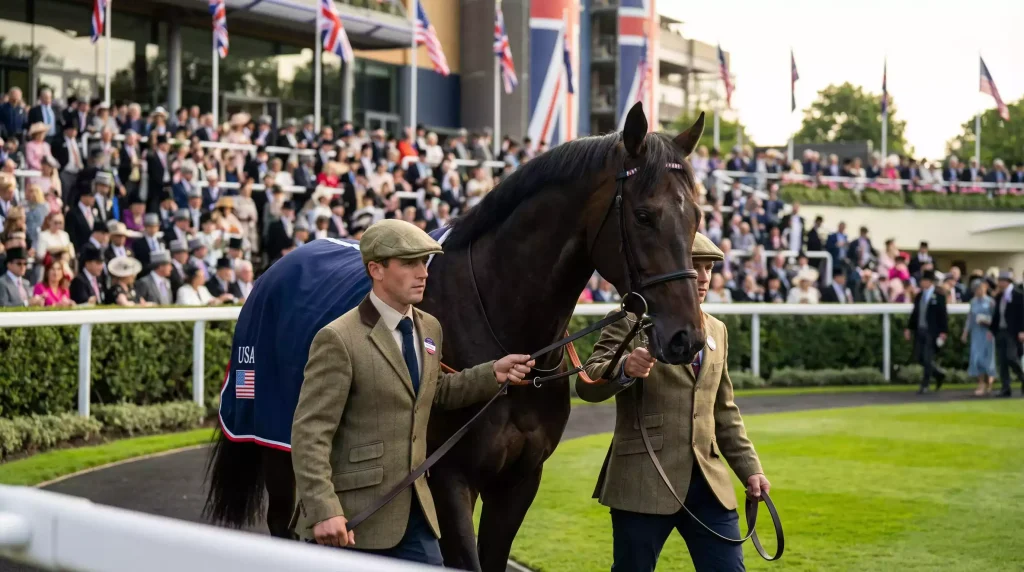
The American Pioneer
Wesley Ward changed what Americans thought possible at Royal Ascot. Before his emergence, transatlantic raiders at the royal meeting were curiosities—occasionally competitive, rarely victorious, often dismissed by European bettors as outclassed tourists. Ward proved that American speed, properly directed, could defeat the best juveniles Britain and Ireland produced. His success reshaped expectations and opened doors for other US trainers to follow.
Based in Kentucky, Ward operates differently from European counterparts. His horses train primarily on dirt tracks, develop explosive speed through interval work, and arrive at Ascot with a tactical approach emphasising early position and sustained acceleration. This methodology suits specific race types at the royal meeting. Ward does not attempt to compete everywhere; he targets races where his horses hold natural advantages.
For bettors analysing Wesley Ward Royal Ascot runners, understanding his methods and patterns provides genuine edge. Ward’s selections are not random—they reflect years of refinement. When he declares a horse, he believes it belongs in the field. That conviction, combined with a track record that validates it, means Ward runners warrant serious consideration even when the market offers tempting prices.
Twelve Wins and Counting: The Record
Wesley Ward has accumulated twelve Royal Ascot victories since 2009. That total places him among the most successful overseas trainers in the meeting’s modern history. No other American trainer approaches his numbers. The victories span multiple race types and represent sustained excellence rather than isolated success. Fellow US trainer Mark Casse has described Royal Ascot as “the Kentucky Derby on steroids”—an acknowledgment of the meeting’s prestige and the achievement Ward represents.
His first Royal Ascot winner, Strike the Tiger in the Windsor Castle Stakes in 2009, announced a new possibility. American juveniles could not only compete but win at the highest level of British racing. The victory attracted significant attention from American owners and breeders who had never considered Royal Ascot a realistic target. Ward demonstrated a pathway that others have since attempted to follow.
Subsequent years brought more victories and more lessons. Ward refined his approach—learning which horses suited the turf, which races matched American speed, and how to manage the logistics of transatlantic travel. Each win added data. Each defeat offered feedback. The twelve victories reflect accumulated wisdom as much as raw talent. Graham Motion, another American trainer who has campaigned horses internationally, credited Ward with showing that success could be achieved, inspiring others to try.
The strike rate matters alongside the total. Ward does not flood entries hoping for occasional success. He selects carefully, bringing horses he believes genuinely competitive. The ratio of wins to runs suggests purposeful targeting rather than speculative participation. When Ward declares a runner, the entry itself signals confidence.
Two-Year-Old Focus: Why Juveniles Travel
Eight of Ward’s twelve Royal Ascot victories have come with two-year-olds. This concentration is not coincidental—it reflects strategic thinking about where American advantages translate most effectively. Juvenile racing suits the Ward approach for several reasons that experienced bettors should understand when evaluating his entries.
Two-year-olds have limited form profiles. European punters struggle to evaluate them accurately because sample sizes are tiny. A horse with one or two runs offers less data than an established four-year-old with twenty races in the form book. This uncertainty creates pricing inefficiency. Ward runners, arriving from a different training system with unfamiliar workouts, amplify that uncertainty. The market may underprice them simply because it lacks the information to assess them properly.
American juvenile training emphasises speed from the gate. Ward’s horses learn to break sharply and establish position immediately. In five-furlong sprints, that early advantage proves difficult to overcome. European juveniles trained differently—with more galloping, less intensive gate work—may concede ground at the start that they cannot recover over such a short distance. The tactical advantage suits short races perfectly.
Travel affects young horses less than older ones in certain respects. Juveniles have not yet established ingrained routines that long flights might disrupt. They adapt to new environments with the flexibility of youth. Ward manages travel meticulously, arriving horses with sufficient acclimatisation time, and his juveniles have demonstrated repeatedly an ability to perform at peak despite crossing the Atlantic.
The physiology also helps. Two-year-olds are still developing, and Ward’s training regime produces muscular, athletic horses who handle turf better than sceptics expect. The assumption that American horses only run on dirt no longer applies. Ward has bred and bought specifically for turf ability, selecting horses whose movement and confirmation suit grass.
Race Selection Patterns: Where Ward Targets
Ward focuses on specific races at Royal Ascot rather than scattering entries across the card. The Queen Mary Stakes, Norfolk Stakes, Windsor Castle Stakes, and other juvenile sprints receive his primary attention. These five-furlong contests suit his speed-focused training. He rarely enters middle-distance races or staying events where American preparation offers no advantage.
The Queen Mary Stakes has been particularly fruitful. This Group 2 sprint for two-year-old fillies matches Ward’s strengths: precocious juveniles with natural speed over the minimum trip. When Ward declares a Queen Mary runner, the market often underestimates them. European punters default to backing locally trained fillies with familiar form, creating value opportunities.
The Norfolk Stakes—where market favourites have failed since 2008—suits Ward’s contrarian profile. His runners arrive at prices that reflect market scepticism about American raiders. If the favourite is destined to fail anyway, a Ward outsider at double-figure odds represents compelling value. He has exploited this race multiple times.
Ward has expanded into Commonwealth Cup territory with older sprinters, recognising that his speed horses can compete against European rivals even beyond juvenile age. The three-year-old sprint division offers another pathway. Watch Ward declarations across age groups, not only in the two-year-old races where his reputation was built.
Betting Ward Runners: When to Follow
Backing every Ward runner blindly is not the recommendation. His strike rate, while impressive, does not guarantee profit at all prices. The edge lies in recognising when the market has mispriced his horses—typically when European bias pushes prices beyond fair value. A Ward runner at 16/1 in a race where their form merits 10/1 represents clear value. The same horse at 5/1 may not offer the same edge.
Assess each Ward entry against the field. Does the horse possess the speed figures to compete? Has Ward publicly expressed confidence, or does the entry feel speculative? What is the going forecast—his horses generally prefer faster ground that allows their natural speed to express itself? These filters separate genuine contenders from hopeful entries.
Monitor ante-post markets early. Ward horses sometimes attract support from American bettors who follow his stable closely and understand his methods. This support can shorten prices before UK markets fully react. If you identify a Ward runner you fancy, consider betting early rather than waiting for race-day when prices may have contracted significantly.
Each-way betting often suits Ward runners particularly well. Their prices frequently justify each-way stakes, and their tactical approach—break fast, establish position, hold on grimly—produces frame finishes even when victory eludes. A Ward runner at 14/1 each-way offers upside on the win and security on the place. The approach aligns with the uncertainty inherent in backing any transatlantic raider while capturing the value that market scepticism creates. Over multiple Royal Ascots, following this approach has rewarded disciplined bettors.